Systems for trust & agency

The silent
architecture
of trust.

We build systems for trust and agency.

From AI fairness audits with publication-grade rigor to verifiable credentials and signed agent mandates: the editorial framework for an internet that has to be trustworthy, not just compliant.

Explore the platform
Closed beta · not yet generally available
Backed by

Working alongside the standards bodies and operators shaping digital trust.

Decentralized Identity FoundationGlinz & CompanyIcebergTrust Over IP Foundation
Three bodies · one philosophy

We focus on three primitives of digital sovereignty.

Trust is the reason. Fairness is the proof. Identity is the bearer. Each body stands on its own as critical infrastructure; together, they form a coherent stack you can audit end-to-end.

Editorial illustration of the Swiss Federal Palace with a teal dome, evoking institutional trust
Metaphor

The Swiss Federal Palace

Civic institutions are where digital trust either holds or breaks. We chose Bern because Switzerland is where Validant is built and where digital sovereignty is taken as a serious craft, not a slogan.

the organisation
01Now building · in platform
Why.Digital Trust

Because trust is what makes everything else worth doing.

Building on the iceberg.digital® framework, we treat digital trust as a four-layer socio-technical construct — agency, engineering, governance, institutional — where most of the work happens below the waterline. Cybersecurity reduces risk, identity authenticates, compliance regulates; digital trust is what holds them together and gives every interaction its reason to exist.

  • Five trust constructs · 98 measurable cues
  • Reciprocity, brand, technical, social, governance
  • Explicit and implicit signals, continuously assured
Editorial illustration of a long colonnaded courthouse hallway in perspective, with a single figure walking toward the vanishing point
Metaphor

The hall of due process

Fairness in ML is not a feeling, it is a corridor of evidence. Each column is a fairness metric the model must pass through before it reaches a decision. The figure walking toward the vanishing point is the model under audit.

the model
02Live · in platform
What.Explainable AI Fairness & Nondiscrimination

What your model actually does, with the receipts to prove it.

A full-pipeline fairness lifecycle — detect, mitigate, calibrate, explain and monitor — with publication-grade statistical rigor and EU AI Act compliance baked in. Fairness and explainability are two views of the same decision: SHAP, LIME and counterfactuals turn 'the model is unfair' into 'this feature drives it, and by this much'. Bias becomes a measurable artefact, not a press-release risk.

  • 16 fairness capabilities across 11 modules
  • 43 discrimination patterns · US / EU / CH jurisdictions
  • Explainable AI built in · SHAP, LIME and counterfactuals
  • Bootstrap, Bayesian and permutation testing
See in the platform
Editorial illustration of a hand holding up a teal ID card against a city skyline, evoking self-sovereign identity
Metaphor

The credential in your hand

Identity should fit between your fingers, not in someone else's database. The hand is yours. The card is the proof. The city behind it is everywhere it can be presented and verified, with no platform in between.

the person
03Coming soon
Who.Self-Sovereign Identity

Who you are, asserted by you, accepted everywhere.

Decentralised identifiers, selectively disclosed credentials, signed agent mandates and personal data vaults. The next body we are bringing into the Validant platform — designed so every transaction begins with consent and ends with a record only the person can revoke.

  • DID:web · DID:key · DID:peer support
  • BBS+ selective disclosure
  • Personal wallet + agent mandate runtime
Model · Person · Organisation

Trust is not a pillar. It is the orbit three bodies trace together.

The same why, what and who, seen from physics. The model, the person and the organisation each pull on the others; trust is what emerges when the three hold their balance, assured continuously, never solved once.

Read the full report
The stable configuration. The model, the person, and the organisation trace one emergent orbit. Trust sits at the shared balance point, never identical to any single body.

The model

What the AI system does. Its mass is fairness, validity, robustness, explainability, calibration, and safety.

Assured by AI Fairness & Explainability

The person

The human the system affects. Its mass is identity, privacy, consent, recourse, and first-person fairness.

Assured by The Individual (planned)

The organisation

The deployer. Its mass is governance, oversight, transparency, accountability, and institutional standing.

Assured by Digital Trust

The Validant AI & Trust Platform

One platform, three bodies, every claim auditable.

The Validant AI & Trust Platform unifies fairness, digital trust and (soon) self-sovereign identity into a single editorial canvas. Switch bodies, share evidence, ship with confidence.

What makes the platform different

Six commitments, baked into the runtime.

01

Three bodies · one runtime

Digital Trust, Explainable AI Fairness and (soon) SSI live as composable modules under one roof. Pick what you need; the rest waits in the same canvas.

02

Compliance is the default

EU AI Act risk classification, GDPR-aligned privacy tiers, 43 historical discrimination patterns across US / EU / CH jurisdictions — wired into every assessment.

03

Standards-first architecture

W3C Verifiable Credentials, DID:web/key/peer, ToIP governance frameworks, MLflow / pytest hooks. We extend ecosystems, we do not lock them in.

04

Publication-grade rigor

Bootstrap and Bayesian intervals, permutation testing, effect sizes, multiple-testing correction. Every claim survives a peer-reviewer reading the table.

05

Production telemetry, not slides

Real-time drift detection, ModelFairnessGate, agent mandate audit logs. The platform is the runtime, not just the report.

06

Privacy by design

Three-tier privacy scheme — k-anonymity, differential privacy, exact values — selectable per dataset. We collect what is necessary, and nothing more.

Manifesto

Four commitments we will not negotiate.

The shortest path to a trustworthy product is to refuse the shortcuts that make it untrustworthy.

01

Standards before features

We invest in W3C, ToIP and EUDI alignment first. Interoperability is not a roadmap item; it is the product.

02

Sovereignty by default

Every credential, every agent mandate is held by the user. No silent telemetry. No shadow profile.

03

Auditable by design

What an agent does on your behalf is logged, signed and revocable. Trust without verifiability is marketing.

04

Restraint as a feature

We do not collect what we do not need. We do not lock customers into anything they cannot leave with.

vfairness · open libraryAvailable early Q3 2026

The fairness library that powers the platform.

vfairness is the open engineering core inside validant.ai — a comprehensive Python library for measuring, mitigating, explaining and monitoring ML fairness across the whole pipeline, including LLMs today, with autonomous-agent and multi-agent systems planned.

Editorial illustration of an open book with mathematical equations and charts, magnifying glass on a wooden surface: the vfairness library as a scholarly reference
Metaphor

The library, the magnifier, the equation

vfairness sits where rigorous notation meets practical inspection. The book is the methodology, the magnifier is what you bring to your own model.

Why this library

Built for paper-grade rigor and production use, in the same call.

  • 01Full-pipeline coverage from preprocessing to production monitoring
  • 02First-class LLM fairness testing; autonomous-agent and multi-agent on the roadmap
  • 03LIME, SHAP and counterfactual explanations behind one XAI facade
  • 04Bootstrap, Bayesian and permutation testing baked in
  • 05Findings mapped to EU AI Act risk tiers and GDPR privacy levels
  • 06MLflow, pytest, Keras and PyTorch hooks
  • 07Publication-grade SVG reports with one render call
Approach

Trust is built. Fairness is proven. Both follow the same four steps.

Our methodology fuses the iceberg.digital® four-layer trust model with the Validant fairness lifecycle. One coherent journey from first listen to continuous assurance — auditable at every phase.

01

Understand.

iceberg.digital®

Listen and observe before instrumenting. Map the trust cues that already exist, the ones that are missing, and the ones that quietly break.

  • Trust audit · 5 constructs · 98 cues
  • Stakeholder mapping
  • Risk perception baseline
02

Detect.

Validant fairness lifecycle

Quantify what is happening — bias, drift, hidden disparities. Statistical rigor built for a paper, not a press release.

  • 35+ fairness metrics · proxy & subgroup analysis
  • Bootstrap, Bayesian, permutation testing
  • Multiple-testing correction
03

Enable.

iceberg.digital® + Validant

Build the trust cues and the cryptographic guarantees behind them. Mitigate the bias you measured. Prototype with real users.

  • 12 fair losses · adversarial debiasing
  • 5 calibrators · threshold tuning
  • Verifiable credentials · agent mandates
04

Engender.

iceberg.digital® + Validant

Operate it. Govern it. Make the assurance ongoing. The work is finished when the next regulator, the next audit, the next user can verify it themselves.

  • Drift monitors · CI/CD fairness gates
  • EU AI Act · 43 patterns · CH/EU/US
  • Continuous trust governance
News & updates

Signal.

What's new at validant.ai — product films, releases and notes from the work. The latest, in order.

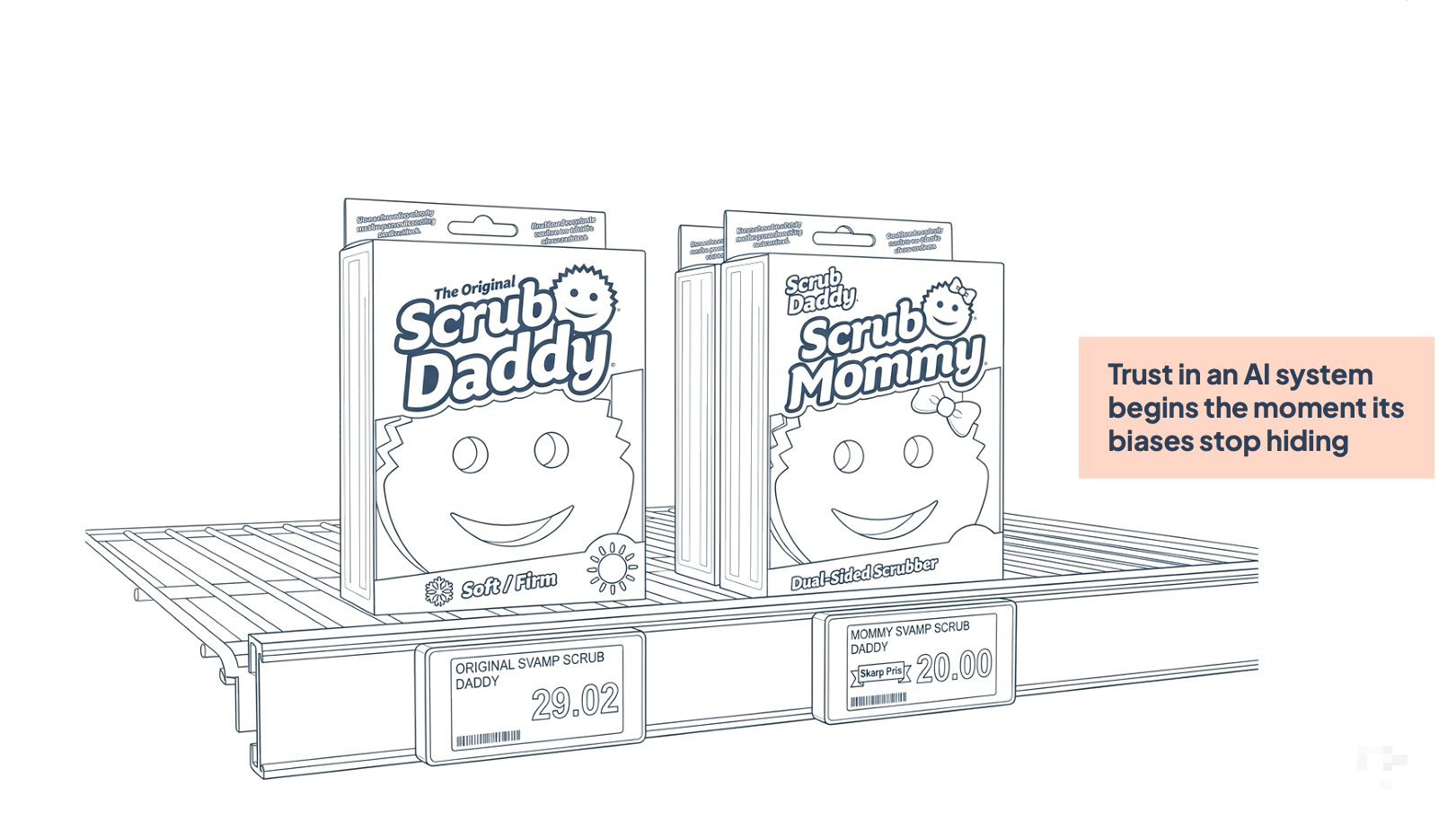
Two near-identical cleaning sponges on a retail shelf: the male-coded “Scrub Daddy” priced higher than the female-coded “Scrub Mommy”, which is sold as a cheaper variant of the same brand, with the caption “Trust in an AI system begins the moment its biases stop hiding.”Featured · Research
21 May 2026Daniel Glinz12 min read

Bias is the Foundation

Why every fairness claim begins with a bias diagnosis, and why skipping it breaks everything downstream.

Read the report
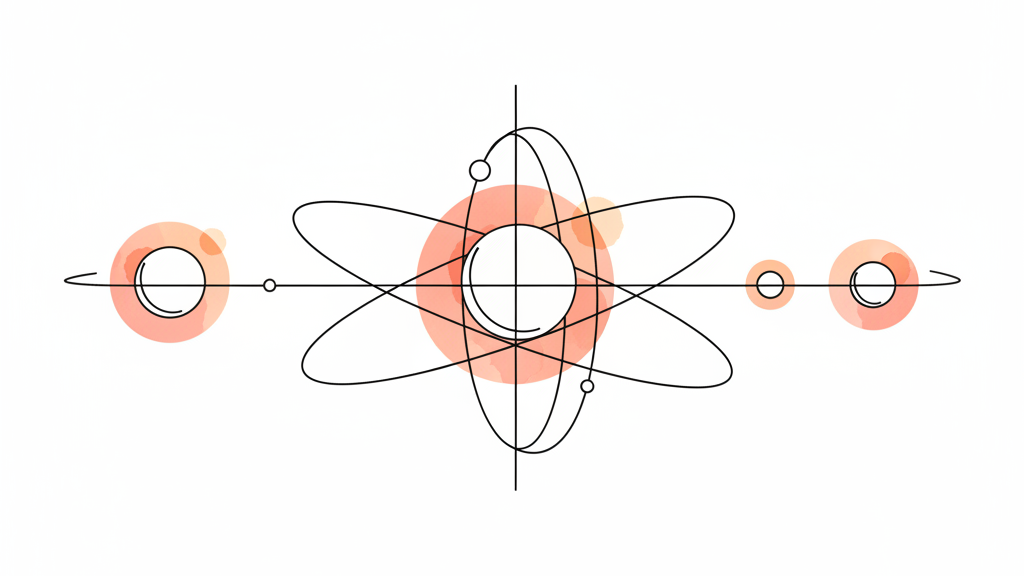
Blanco-style technical line drawing of three spheres of different sizes held in balance by interlacing elliptical orbits, with soft coral washes, on a white ground.ResearchOpen to read
5 June 2026

Digital Trust Is an Orbit, Not a Pillar

Trust is not one more pillar to stack. It is the orbit three bodies trace together: the model, the person and the organisation. Why the three-body problem is the honest metaphor for trustworthy AI, and how to tell where you are in the orbit.

Read
Blanco-style technical line drawing of Lucerne’s covered wooden Chapel Bridge and octagonal Water Tower over the Reuss, with Mount Pilatus behind and a soft coral wash in the sky.EventsOpen to read
30 May 2026

Two Views of One Decision: Trustworthy and Explainable AI in Practice at HSLU

Notes from a Lucerne specialists course on Trustworthy and Explainable AI, and what it confirms about the Validant.ai approach.

Read
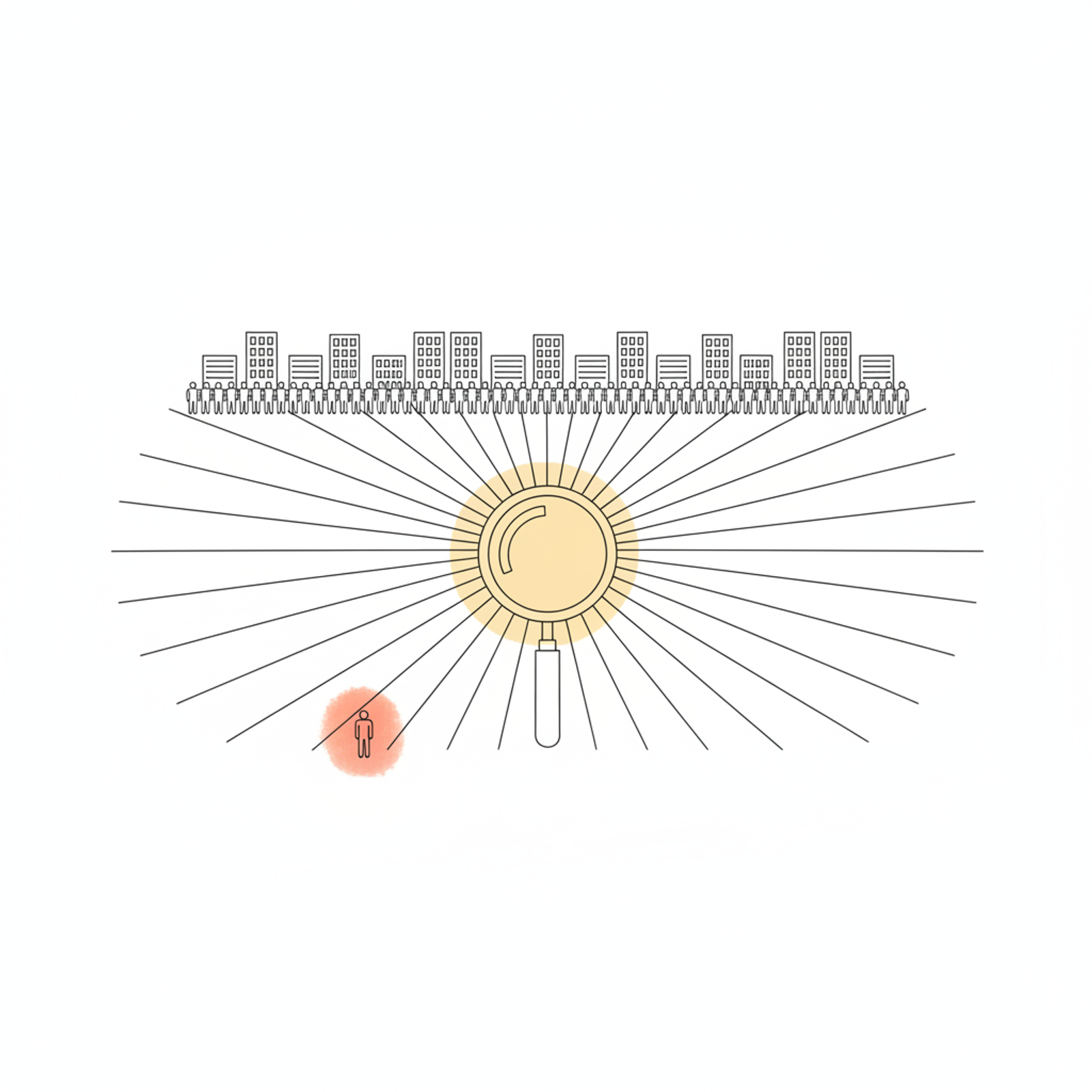
Blanco-style technical line drawing of a single magnifying lens at the centre, identical lines fanning out from it to a row of small office buildings and a uniform crowd of figures, with one lone figure softly stained coral and set apart, in thin black lines on white.StudiesOpen to read
27 May 2026

The Wrong Question, Asked at Scale

A landmark study of 4 million job applications shows how AI hiring tools hide their bias, why one rejection can become rejection everywhere, and why independent, position-level assessment is no longer optional.

Read
Blanco-style technical line drawing of five Trustworthy AI Circle participants smiling and holding up peace signs, rendered in thin black lines on white with soft coral accents.EventsOpen to read
26 May 2026

No System Has Ever Been Fair

What four breakout sessions, one fairness tool demo, and 50+ years of collective experience taught us about fairness in AI, at the Trustworthy AI Circle.

Read
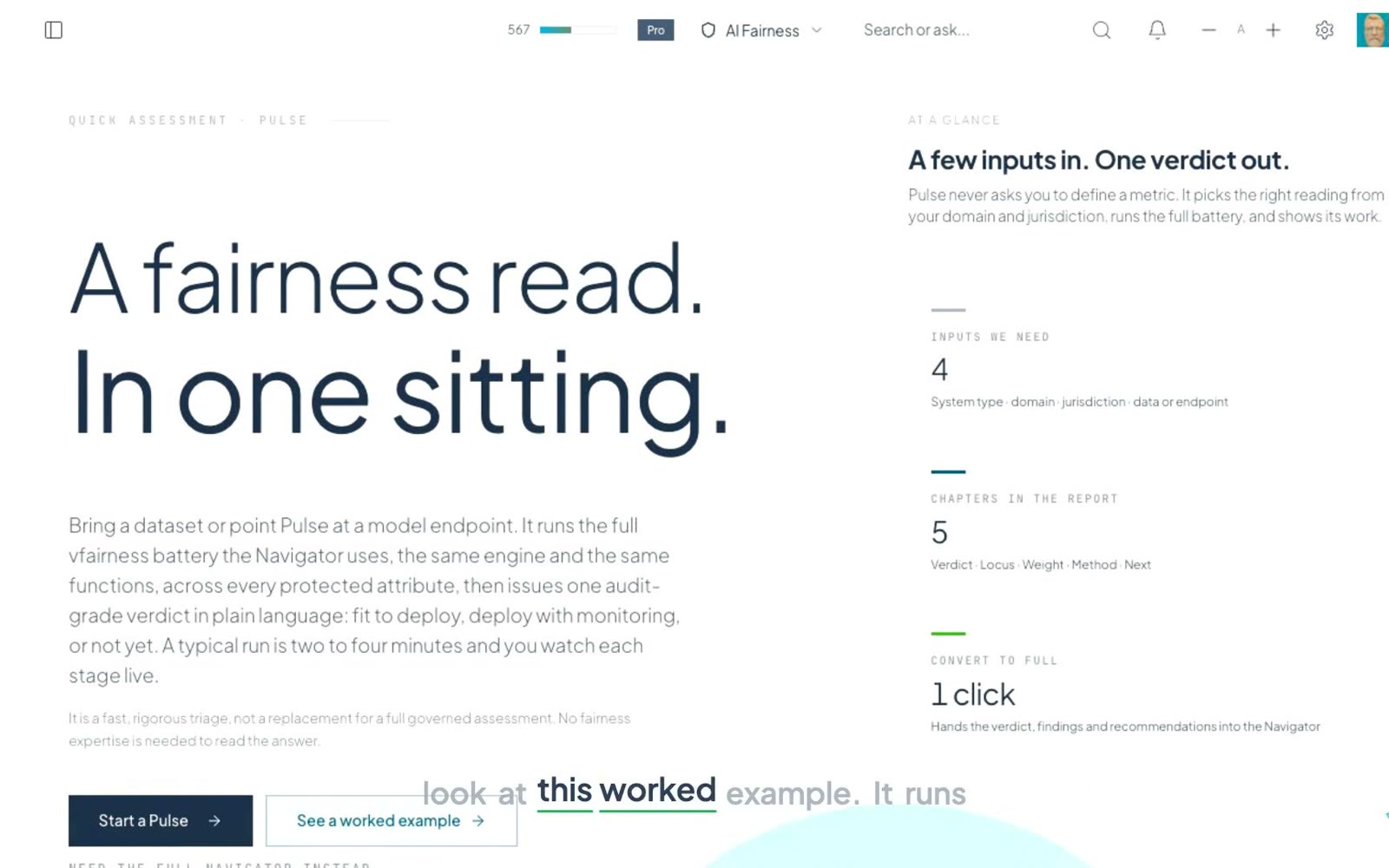
Still frame from the new validant.ai product demo videos: the Pulse audit view in motion.UpdatesWatch preview
22 May 2026

Two new demo videos: see Pulse run an audit, and the Modules behind every verdict

We recorded the platform in motion — a full fairness audit start to finish, and the depth behind every result.

Watch & read
Simple line drawing of an open newsletter with a broadcast signal wave rising from it, in thin black lines with soft coral and amber accents on a white background.ProductOpen to read
2 May 2026

Inside Trust Signal: the weekly newsletter our AI team writes itself

Every Tuesday, an eight-agent AI team scouts, scores and drafts the week in AI trust and fairness. Here's how it works — and how to get it.

Read
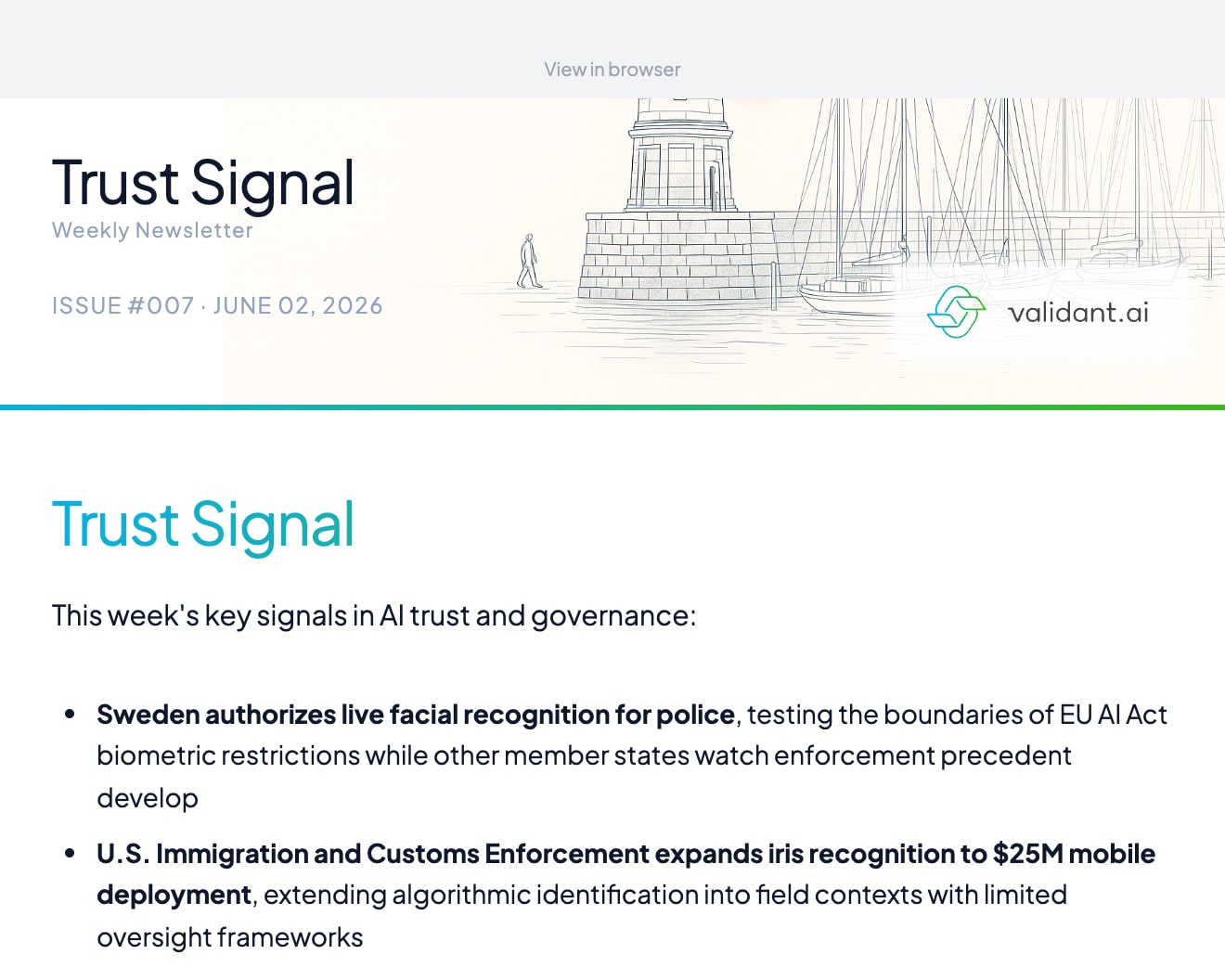
Trust Signal · Weekly newsletter

Get the week in AI trust and fairness.

An eight-agent AI team scouts 50+ sources, scores every story, and drafts a sharp weekly digest on digital trust, algorithmic fairness and the regulation closing in around them. A human signs off before it ever reaches your inbox.

  • Every Tuesday
  • Free
  • Unsubscribe anytime
See how it's made
Trust architecture · Three sister entities

Research, engineering and execution. One coherent stack for trust.

Three independent companies, one architecture: iceberg.digital® defines what trust is, validant.ai encodes what it does, Glinz & Company embeds it where it matters. You get all three with no seams.

01
iceberg.digital® logo

iceberg.digital®

Research & framework

Defining the structural logic.

Explores sovereignty, governance, identity, reciprocity and institutional design. Trust must be defined structurally before it can be implemented operationally.

02
validant.ai logo

validant.ai

Engineering & platform

Encoding the systemic capability.

Transforms fairness and governance principles into structured capability frameworks. Trust becomes measurable, verifiable and scalable.

03
Glinz & Company logo

Glinz & Company

Operations & advisory

Embedding in enterprise reality.

Partners with executive teams to redesign AI-enabled operating models. Trust becomes anchored in institutional practice.

Why this ecosystem
  • 01Full-pipeline fairness from day one
  • 02Regulatory readiness built in
  • 03Trust grounded in theory, not just tooling
  • 04Enterprise execution, not just advice
FAQ

Frequently asked questions

What is validant.ai?
validant.ai is an independent assurance platform for trustworthy AI, organised around three bodies: the model, the organisation and the person. Today it runs AI fairness and explainability audits and digital-trust audits on the iceberg.digital® framework; self-sovereign identity and signed agent mandates are the next body we are bringing into the platform.
What does validant.ai do for AI fairness?
It runs end-to-end AI fairness and explainability audits: detecting bias and proxy variables, mitigating disparities across data, models, LLMs and agents, explaining decisions with SHAP, LIME and counterfactuals, and monitoring fairness in production with auditor-grade, regulator-ready reports.
Who is validant.ai for?
Anyone who wants AI to stay fair, understandable and under human control. That includes risk, compliance, legal and ML teams proving an AI system is fair, explainable, trustworthy and accountable under the EU AI Act, NIST AI RMF and ISO/IEC 42001, and just as much the everyday person who wants to safeguard their own data and keep control of their agency. We deliberately keep it plain enough for everyone to use, not only specialists.